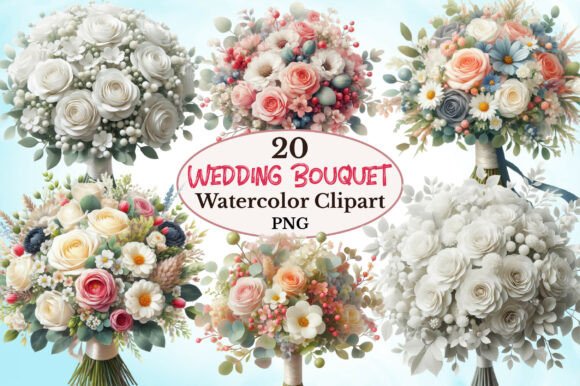
Soft Hues and Painterly Charm: The Watercolor Wedding Backdrop
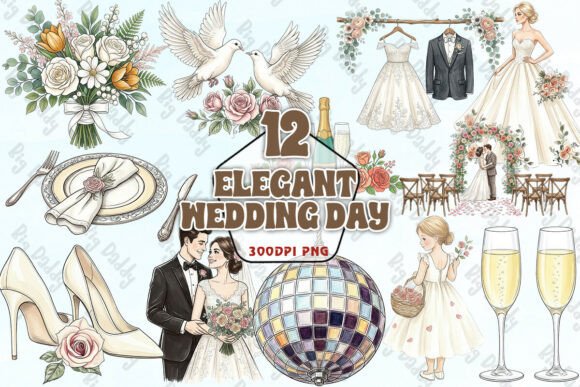
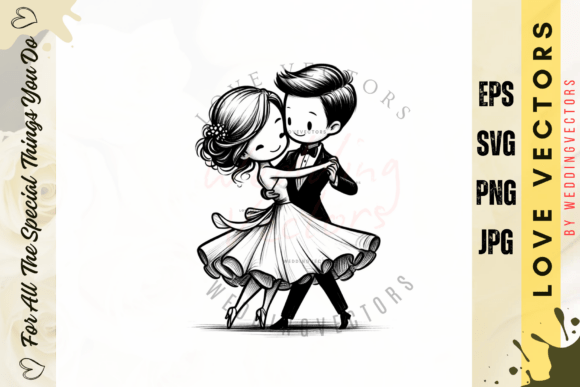
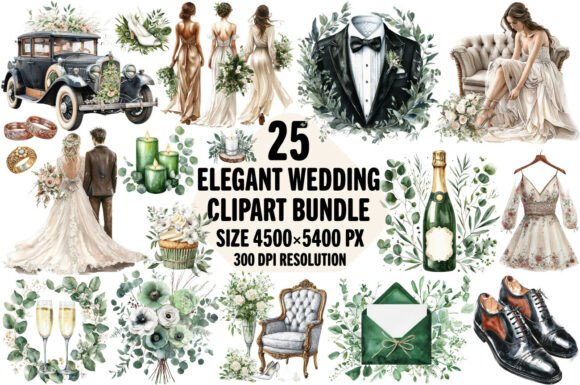
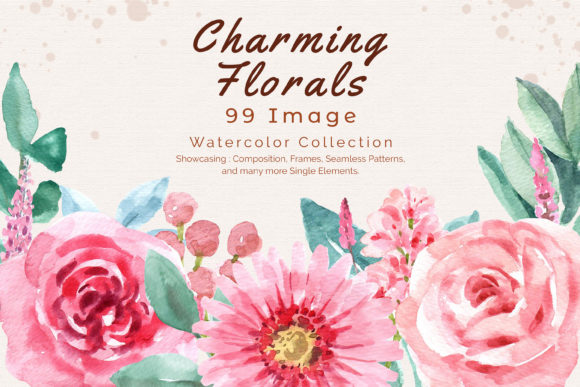
There’s something undeniably romantic about watercolor—the way pigments bleed softly into one another, creating organic textures and gradients that feel both artistic and deeply personal. For designers and creatives working on wedding-related projects, capturing that dreamy, hand-painted aesthetic can transform ordinary layouts into something truly memorable. The Watercolor Wedding Backdrop package offers exactly that: a set of high-resolution digital illustrations and clipart files designed to bring a delicate, painterly quality to invitations, marketing materials, and a wide range of printed or digital products.
This collection includes four JPEG files, each crafted with careful attention to color blending, soft edges, and subtle texture. These aren’t generic stock images—they’re detailed illustrations that mimic the look of actual watercolor washes, complete with translucent layers and natural color variations. Whether you’re designing a wedding suite, creating social media content for a bridal brand, or producing merchandise for a boutique event planning business, these files provide a versatile foundation that feels both professional and artisanal.
Why Watercolor Works So Well in Wedding Design
Watercolor as a medium carries an inherent sense of emotion and craftsmanship. Unlike flat digital graphics or harsh vector shapes, watercolor textures introduce warmth, movement, and a touch of imperfection that resonates with audiences seeking authenticity. In the context of weddings—where every detail is meant to feel curated and heartfelt—this aesthetic aligns perfectly with the sentiment of the occasion.
Using a watercolor wedding backdrop in your designs can help evoke feelings of romance, elegance, and organic beauty. The soft gradients work beautifully as background elements for invitation suites, allowing text to remain readable while still offering visual interest. They also serve as stunning overlays for photo-based designs, adding a painterly layer that softens hard edges and blends imagery seamlessly into the layout.
For brand designers working with clients in the wedding industry—photographers, planners, florists, stationers—these assets can become a recurring visual motif. Consistency in texture and color palette across multiple touchpoints (save-the-dates, wedding websites, thank-you cards, social media posts) strengthens brand recognition and creates a cohesive experience for the couple and their guests.
Practical Applications Beyond the Invitation Suite
While wedding stationery is the most obvious use case, the flexibility of these digital files extends far beyond paper goods. Here’s where a watercolor wedding backdrop can add value across different creative projects:
- Social Media Graphics: Use the soft, textured backgrounds for Instagram posts, Pinterest pins, or Facebook covers promoting wedding-related services. The painterly quality helps content stand out in crowded feeds without relying on bold, attention-grabbing tactics.
- Website Design: Incorporate watercolor elements into hero sections, blog headers, or section dividers for a cohesive brand experience. They work particularly well for lifestyle blogs, wedding vendor directories, or online portfolios.
- Print-on-Demand Merchandise: These illustrations translate beautifully onto physical products—think tote bags, mugs, t-shirts, or tumblers. The organic texture holds up well in print, especially when paired with clean typography.
- Packaging Design: For small businesses selling wedding favors, candles, or artisanal goods, watercolor backdrops can elevate packaging from simple to sophisticated. Wrap them around boxes, use them as tissue paper patterns, or apply them as label backgrounds.
- Editorial Layouts: Magazine features, lookbooks, or digital catalogs benefit from the soft, editorial quality of watercolor textures. They add depth to page layouts without overwhelming accompanying photography or copy.
- Vinyl Stickers and Printable Decorations: The high-resolution files are ideal for producing stickers, wall art, or table signage for events. The subtle color variations ensure these items look polished rather than flat or digital.
Pairing Typography with Watercolor Elements
One of the most common challenges when working with textured backgrounds is ensuring legibility. Watercolor washes, while beautiful, can compete with text if not handled thoughtfully. The key is contrast—both in color and in typographic style.
A clean sans serif font or a refined serif typeface often pairs best with watercolor elements. The simplicity of the letterforms allows the texture to shine without creating visual clutter. For headings or accent text, a script font or handwritten font can complement the organic feel of watercolor, but should be used sparingly to maintain readability.
When selecting typefaces for projects using these backdrops, consider the overall mood you’re aiming for. A modern, geometric sans serif can create an interesting contrast with the soft, traditional feel of watercolor—ideal for contemporary wedding brands that want to balance elegance with a fresh perspective. Alternatively, a classic serif font reinforces the timeless, romantic quality of the medium.
Testing different font pairings against the backdrop files before finalizing a design is always a smart move. What looks balanced on a white screen may feel different once texture and color are introduced. Print a test version or view the design at actual size to assess how the typography interacts with the watercolor elements in real-world conditions.
Licensing and File Considerations for Commercial Use
Before incorporating any design assets into client work or commercial products, it’s important to understand the licensing terms. The Watercolor Wedding Backdrop package is delivered as high-resolution JPEG files, which are widely compatible with design software like Adobe Photoshop, Illustrator, Canva, and various print-on-demand platforms.
Since the files are provided in JPEG format, they’re ready to use as backgrounds or overlay elements without additional conversion. For projects requiring transparency (such as layering over photos), you may need to adjust blending modes or use masking techniques in your design software. The high resolution ensures that the files reproduce cleanly across both digital and print formats—from small sticker designs to large-format posters.
If you’re a small business owner or creative entrepreneur using these assets for your own brand or client projects, confirm that the license covers your intended use. Most premium digital asset packages allow for commercial use, but terms can vary—especially regarding resale, merchandise production, or distribution to third parties.
Building a Cohesive Visual Identity with Texture
Texture is one of the most underutilized tools in brand identity design. While logos, color palettes, and typography often take center stage, the subtle use of texture—like watercolor washes—can add dimension and personality to a brand’s visual language.
For wedding professionals, incorporating a consistent watercolor element across all touchpoints creates a signature look that clients and guests will associate with quality and attention to detail. It’s the kind of visual nuance that separates a polished, professional brand from one that feels generic or templated.
Even outside the wedding industry, watercolor textures can soften the look of corporate or tech brands that want to appear more approachable. Used as background elements in presentations, email headers, or digital ads, they introduce warmth without sacrificing professionalism.
The Watercolor Wedding Backdrop package offers a practical starting point for designers exploring this aesthetic. With four distinct files, there’s enough variety to experiment with different layouts and color combinations while maintaining a unified look across a project. Whether you’re building a full wedding suite from scratch or adding a finishing touch to an existing design, these assets provide the kind of flexible, high-quality foundation that supports both creativity and efficiency.