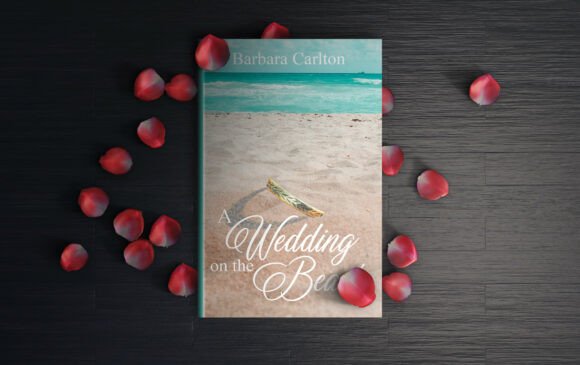
Wedding Premade Book Cover Designs That Tell Your Story
Every great love story deserves a beautiful beginning, and for authors, that beginning often starts with the cover. If you've poured your heart into writing a romance novel, wedding-themed guide, or love story collection, you know the pressure of finding a cover that truly captures the emotion and elegance of your words. That's exactly where a thoughtfully designed wedding premade book cover becomes invaluable—it gives you professional, market-ready artwork without the weeks of back-and-forth custom design work.
Why Premade Covers Work So Well for Romance and Wedding Books
There's a reason premade book covers have become a go-to resource for indie authors, small publishers, and self-publishing writers. They offer the perfect middle ground between affordability and quality. Instead of starting from scratch with a designer and investing significant time and budget, you get access to a polished, finished piece of visual art that's already been crafted with care and intention.
For wedding-themed books specifically, the stakes feel even higher. Readers browsing romance novels, bridal guides, or wedding planning books are drawn to covers that evoke emotion at first glance. Soft florals, elegant typography, romantic color palettes, and carefully balanced compositions all work together to signal what's inside. A well-executed wedding premade book cover does exactly that—it tells a potential reader in half a second that this book is about love, commitment, and beautiful moments.
From a branding perspective, this matters enormously. Your book cover isn't just decoration; it's your first impression, your marketing tool, and your brand identity all wrapped into one image. When someone shares your book on social media, pins it to a Pinterest board, or sees it thumbnail-sized on Amazon, that cover has to work hard. Premade designs from experienced graphic designers are built with this reality in mind.
What Makes a Wedding Book Cover Visually Compelling
The best wedding-themed covers tend to share certain visual characteristics that resonate with their target audience. Think about what draws your eye when you're scrolling through a bookstore or an online marketplace. Romantic covers often feature soft, muted tones—blush pinks, ivory whites, sage greens, dusty lavenders, and warm golds. These colors immediately communicate romance and sophistication.
Typography plays an equally critical role. The right typeface can make or break a cover. Script fonts and handwritten fonts often work beautifully for wedding and romance titles because they feel personal and intimate, like a love letter. Pairing a flowing script with a clean sans serif font for the author name or subtitle creates visual hierarchy and keeps the design readable even at small sizes.
Imagery choices matter too. Watercolor florals, delicate botanical illustrations, soft-focus photography, and minimalist line art all have their place depending on the book's tone. A contemporary romance might call for modern typography and bold graphic elements, while a historical love story might benefit from serif fonts and vintage-inspired textures. The beauty of a professionally designed premade cover is that these decisions have already been made thoughtfully by someone who understands visual communication.
Practical Applications Beyond the Bookshelf
Here's something many authors overlook: your book cover design can serve as the foundation for an entire brand identity. That wedding premade book cover you purchase? It can inspire and inform a whole suite of marketing materials and visual assets.
Social media graphics are a perfect example. When you're promoting your book on Instagram, Facebook, or TikTok, having cohesive visuals makes your content instantly recognizable. Pull colors, fonts, and design elements from your cover to create quote graphics, countdown posts, launch announcements, and reader engagement content. This kind of visual consistency builds brand recognition over time and makes your author presence feel professional and intentional.
Website design benefits from the same approach. Your author website or book landing page should feel like a natural extension of your cover. Using complementary typography, color schemes, and design motifs creates a seamless experience for visitors moving from your cover to your site to your purchase page.
Print materials like bookmarks, postcards, business cards, and promotional flyers can all draw from your cover's design language. If you're attending book fairs, bridal expos, or writing conferences, having branded materials that match your cover strengthens your professional presentation and makes you more memorable.
Even packaging design and merchandise opportunities emerge from a strong cover concept. Think tote bags, mugs, notebooks, or special edition packaging for signed copies. When your visual identity is cohesive, every touchpoint reinforces your brand and deepens audience engagement.
Choosing the Right Style for Your Project
Not every wedding book cover will suit every project, so it's worth thinking carefully about alignment between the design and your content before purchasing. Consider your book's tone first. Is it a lighthearted romantic comedy? A deeply emotional love story? A practical wedding planning guide? A poetry collection about love? Each of these calls for a different visual mood.
Look at comparable books in your genre and subgenre. Browse bestseller lists, study what successful authors in your niche are doing with their covers, and note patterns. This isn't about copying—it's about understanding reader expectations and meeting them while still standing out. A cover that feels fresh but familiar tends to perform best.
Think about your target audience's preferences too. Younger readers might gravitate toward modern, minimalist designs with bold typography, while readers who love classic romance might prefer ornate details and elegant serif fonts. Understanding who you're designing for helps you choose a cover that connects emotionally.
Also consider practical production requirements. If you're publishing through Amazon KDP, you need a cover that meets specific technical specifications—proper dimensions, bleed areas, resolution, and color mode. A professionally prepared premade cover that comes ready in PSD format at 300 DPI in CMYK color, sized correctly for a six by nine inch paperback with all necessary bleeds, saves you significant technical headaches. You receive a clean file without watermarks, and you can edit the title and author text directly in Photoshop to make it yours.
Typography and Readability Considerations
One common concern with decorative or script-heavy covers is readability, especially at thumbnail size. This is where professional design experience really shows. A skilled designer understands font pairing principles and knows how to balance ornamental beauty with functional clarity.
When you customize your premade cover, keep readability at the forefront. Your title needs to be legible when someone sees it as a tiny image on a phone screen. If the original design uses a particularly elaborate script for the title, consider whether adjusting the size, adding subtle contrast, or tweaking the placement improves clarity without sacrificing the design's romantic feel.
Test your final cover at multiple sizes before publishing. View it as a full-size print, as a web-sized image, and as a thumbnail. If you can read the title and author name easily at all three scales, you're in good shape. If not, small adjustments to scale, spacing, or color contrast can make a meaningful difference.
Font style choices also communicate genre expectations. Serif fonts suggest tradition, elegance, and literary quality. Sans serif fonts feel contemporary and clean. Script and handwritten fonts convey personality and warmth. The combination you choose sends signals to potential readers before they read a single word of your description, so make sure those signals match your book's actual content and tone.
Making the Most of Your Investment
A premade wedding book cover is more than a single-use design asset. Think of it as the cornerstone of your book's visual brand. Once you've customized the text and finalized the design, use it consistently across every platform and material where your book appears.
Create a simple style guide for yourself noting the colors, fonts, and design elements from your cover. Reference this guide whenever you create new marketing materials, social media posts, or promotional content. Over time, this consistency compounds into real brand recognition—readers start to associate certain visual elements with your work, and that recognition builds trust and loyalty.
The investment in quality design pays dividends far beyond the initial purchase. A professional-looking cover signals to readers, reviewers, and industry professionals that you take your work seriously. It improves click-through rates on retail platforms, encourages social sharing, and ultimately helps your beautiful story find the audience it deserves.